South Asian therapist in Ontario

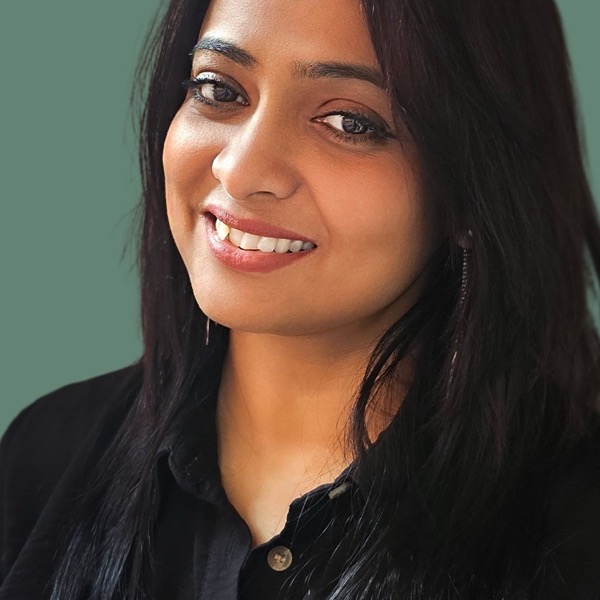
I'm Syeda Zohora, a Registered Psychotherapist (Qualifying) and a Bangladeshi woman who lived in South Asia for more than 30 years before immigrating to Canada. The pressure of family expectations, the weight of two cultural identities at once, the exhaustion of not quite fitting either world: I know these from the inside.

Licence #19673 Bengali, Hindi & English sessions Virtual across Canada In-person: Whitby, Ontario
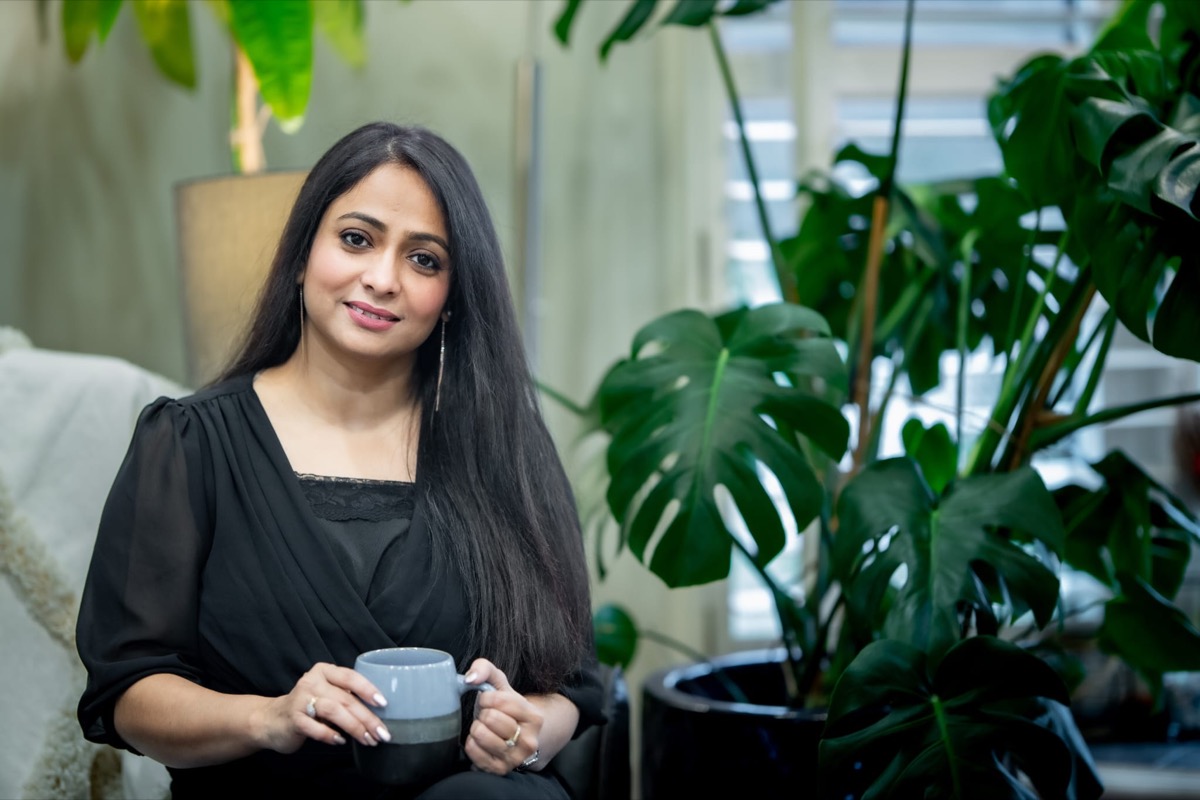
Syeda Zohora, therapist, Whitby

More than 30 years inside South Asian family life

I grew up in Bangladesh. My childhood, my education and my early adult years were inside South Asian family and social life. I know what it feels like when everything depends on your parents' approval. I know the weight of collective identity, where your choices are read as reflections on the whole family. I know what it costs a South Asian person to say out loud that they're struggling, when the expectation has always been to manage privately and present well.

When a client tells me their parents are pressuring them to marry someone they didn't choose, or that they feel guilty for building a life in Canada that looks different from what was expected, I already carry that context.

I immigrated to Canada and later became a single mother. I know what it means to arrive in a country where the social rules are different, where how you dress, speak and relate to authority carries meanings you didn't intend, and to raise a child there without a second adult in the household.

Certain things don't need translating. You can describe your mother's expectations, your father's silence, the shame attached to going to therapy at all, and I understand the cultural weight behind those words.

Syeda Zohora

My registration and training

I'm a Registered Psychotherapist (Qualifying), Licence #19673, with a Master of Arts in Counselling Psychology from Yorkville University, completed in 2025, and a Diploma in Behavioural Science from Seneca College, completed in 2022. I'm a member of the Canadian Counselling and Psychotherapy Association. I use CBT, Emotionally Focused Therapy, Internal Family Systems, DBT, psychodynamic therapy, narrative therapy, solution-focused and trauma-focused approaches. I practise under supervision, as the College requires at the Qualifying stage.

I work in English, Bengali and Hindi. In-person sessions are at 519 Dundas Street East, Whitby, Ontario, and virtual sessions are by video or phone across Canada.

Read more about my background and approach

In-person in Whitby, virtual across Canada

My in-person practice is at 519 Dundas Street East in Whitby, Ontario. For South Asian clients anywhere else in Canada, virtual sessions are by video or phone.

Common questions about South Asian therapy

What makes therapy with a South Asian therapist different?

The difference is in what doesn't need to be explained. A South Asian therapist who grew up inside the culture doesn't need to be told why family approval matters so much, or why going to therapy feels like a betrayal of the expectation to handle things privately.

Why do South Asian clients often delay seeking therapy?

Personal problems are treated as private family matters. Seeking therapy can feel like weakness or failure. There's the fear that a therapist outside the community won't understand, and the fear that one inside it won't keep things confidential. There's the cost, in families where every expense is scrutinised. Underneath most of it is the belief that your difficulties aren't serious enough to warrant attention.

What is intergenerational trauma in the South Asian context?

Intergenerational trauma is pain from one generation passed to the next, often without anyone meaning to pass it. In South Asian families it can show up as parents who express love through control, because they were raised where control meant safety; as silence about difficult things, because their parents were silent; and as the expectation that children will carry the family's hopes and repair its wounds. In therapy we look at where the pattern started and what it costs you to keep carrying it.

How does family pressure show up as a mental health issue?

Family pressure often shows up in sessions as something else: anxiety, chronic stress, difficulty making decisions, or a sense that you're failing. Underneath is often a long history of choosing what your family needs over what you need. The anxiety comes from living in a permanent state of anticipating others' reactions. The indecision is what happens when your own preferences have been trained out of you. Naming that connection is often one of the first useful things in therapy.

What does identity between cultures feel like, and how does therapy help?

It can feel like chronic mild inauthenticity. You're South Asian in how you think about family, obligation and respect, and Canadian in your expectations of personal freedom and choice. You're not South Asian enough for some contexts and not Canadian enough for others. The constant code-switching, translating yourself depending on who's in the room, adds up. In therapy, the work is holding both parts of yourself without either having to apologise for existing.

How do stigma and shame around mental health work in South Asian communities?

Stigma works at two levels. Individually, many South Asian people have absorbed the message that psychological difficulty is weakness, or reflects badly on the family. Communally, there's the worry about what people will say if it becomes known you went to therapy. Together they produce silence. What often breaks it is the recognition that the cost of not addressing the problem has become higher than the cost of getting help. Sessions from home, with no waiting room, remove some of the exposure.

What should South Asian clients look for when choosing a therapist?

Credentials you can verify: in Ontario, registration and licence numbers are on the College of Registered Psychotherapists of Ontario register. Cultural knowledge, and whether the therapist has studied the culture or lived inside it. Language: if you think in Bengali, Hindi or another South Asian language, the option to speak it in sessions can matter more than you expect. And an approach that suits what you're bringing: ask which approaches they use. The free consultation is where you ask these questions.

Frequently asked questions

What South Asian communities do you work with?

I see clients from any South Asian background: Bangladesh, India, Pakistan, Sri Lanka, Nepal, and the diaspora in Canada. My own background is Bangladeshi and Bengali, so that's where my most specific knowledge sits. Family expectation, holding more than one cultural identity, being the child of immigrants or an immigrant yourself: these cut across South Asian communities. I work in English, Bengali and Hindi. If you're unsure whether we'd be a good fit, the free 15-minute consultation is where to find out.

Do you offer sessions in languages other than English?

Yes. I offer sessions in English, Bengali and Hindi. In Bengali, the pressure your parents put on you around marriage, or the guilt you carry for choices they didn't approve of, can be said in the words that fit instead of flattened into English first. Hindi sessions are available too. If language is a factor, mention it when you book.

Do you have personal experience of South Asian family and cultural dynamics?

Yes. I grew up in Bangladesh, and more than 30 years of my life were in South Asia before I immigrated to Canada. I became a single mother here. I know what it means to carry a family's expectations across a migration, to exist between two worlds, and to make choices that disappoint people you love.

What kinds of things might I bring to therapy?

The exhaustion of managing family expectations while trying to live your own life; conflict between what your parents or community want and what you want; guilt and shame over choices that disappoint people you love; anxiety so normalised it no longer feels like anxiety; depression masked as busyness or physical illness; relationships shaped by how love and conflict were modelled in your family; grief for the version of your life you didn't get to live; and the loneliness of not quite belonging in your South Asian community or in Canadian culture.

Are sessions in person in Whitby or online across Canada?

Both. My in-person practice is at 519 Dundas Street East, Whitby, Ontario. Virtual sessions are by video or phone for clients anywhere in Canada. Hours are Monday, Tuesday, Thursday and Friday from 3pm to 9pm, and Wednesday from 12pm to 5pm.

Do you work with both men and women?

Yes, I work with people of all genders. Within South Asian communities, men are often less likely to seek therapy, because the expectation to manage privately is stronger and there's less language for men to describe emotional difficulty without it feeling like failure. If you're a South Asian man who has spent years holding things together and is finding that harder, that's something I work with. I also work with women under the pressures of South Asian femininity: being a good daughter, daughter-in-law, wife or mother while also being a person with your own needs. Couples work is available too.

How much do sessions cost?

Individual and couples sessions are $150 per hour. A sliding scale rate of $135 per hour is available for clients who need it. Please mention this when you get in touch and we'll talk about it without pressure or awkwardness. The 15-minute consultation before booking is free. If cost is a concern, I'd rather you ask than quietly decide not to come. The consultation is the right time to have that conversation.

How do I book a first session?

Start with a free 15-minute consultation: a short call where you tell me what's going on, ask anything about how I work, and decide whether to go ahead. Book it through the contact page, or call or email me. After the consultation, if we both want to go on, we schedule your first session.

Syeda Zohora, Registered Psychotherapist, Whitby Ontario

You shouldn't have to explain your family to your therapist

I'm a Bangladeshi therapist who lived in South Asia for more than 30 years before coming to Canada. The cultural context you carry is the one I grew up in. Book a free 15-minute consultation.